
The glittering world of French cinema finds itself embroiled in an unprecedented political drama as billionaire Vincent Bolloré's iron grip on Canal+ transforms the landscape of European film financing. The 72-year-old media mogul, whose empire spans from African logistics to French television, has wielded his considerable influence to reshape Canal+ along increasingly conservative lines since taking control. His controversial stewardship has now collided spectacularly with the traditionally liberal French film industry, creating ripples that extend far beyond corporate boardrooms into the very heart of cinematic artistry. The conflict represents more than a business dispute—it's a cultural battlefield where artistic freedom meets corporate power.
Canal+ has reportedly compiled a blacklist containing hundreds of film industry professionals who dared to sign petitions opposing Bolloré's editorial direction and growing creative interference. Directors, producers, actors, and screenwriters who once enjoyed the network's generous backing now find themselves persona non grata, their projects suddenly without the financial lifeline that Canal+ has historically provided to French cinema. This systematic exclusion represents an extraordinary escalation in the ongoing tension between Bolloré's conservative vision and the industry's creative community. The blacklist strategy demonstrates how personal political beliefs have become weaponized in what was once considered a purely artistic realm.


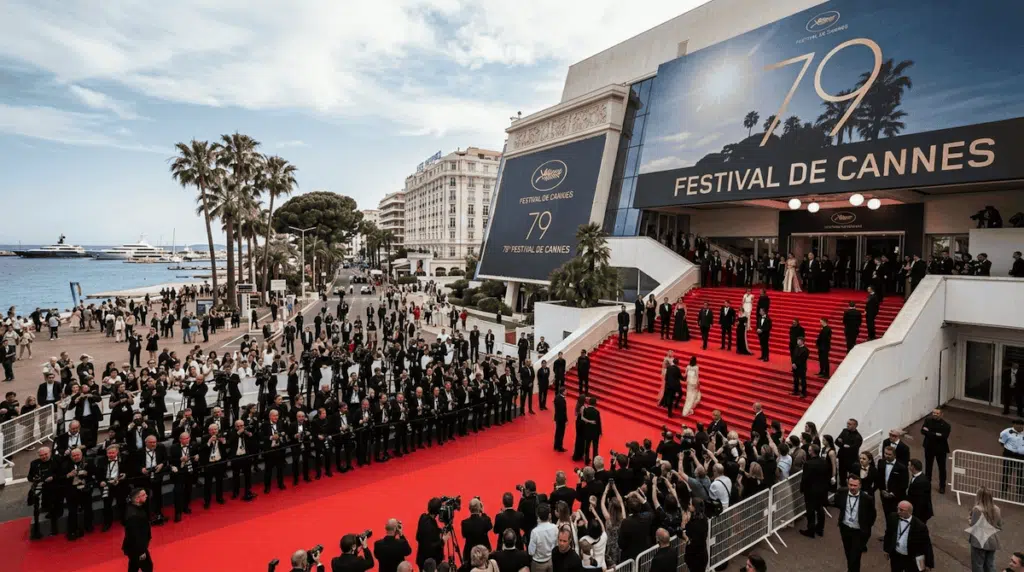
The timing of this corporate retaliation could hardly be more significant, coinciding with the approach of the Cannes Film Festival—cinema's most prestigious global gathering. Canal+ has traditionally served as one of the festival's most important financial pillars, backing numerous films that compete for the coveted Palme d'Or. The network's withdrawal of support from blacklisted filmmakers threatens to diminish the festival's cultural richness and artistic diversity. Industry insiders worry that Bolloré's influence could fundamentally alter the character of not just Canal+, but the entire French film ecosystem that Cannes celebrates. The festival's international reputation for championing bold, provocative cinema hangs in the balance.
Bolloré's media strategy extends far beyond Canal+ into a vast communications empire that includes advertising giant Havas and numerous television properties across France and Africa. His systematic shift toward right-wing programming and conservative editorial policies has transformed him from a behind-the-scenes financier into a polarizing cultural figure. The billionaire's approach mirrors tactics employed by media moguls worldwide, using financial leverage to advance ideological agendas. His influence represents a broader trend of wealthy individuals reshaping cultural institutions according to their personal political philosophies, regardless of artistic or journalistic traditions.
The French film industry's response has been swift but fractured, with some professionals choosing discretion over confrontation while others double down on their opposition. Established directors and producers face an agonizing choice between artistic integrity and financial survival, knowing that Canal+ money often makes the difference between a film getting made or remaining forever in development hell. Younger filmmakers find themselves particularly vulnerable, lacking the established relationships and alternative funding sources that might insulate them from Bolloré's corporate retribution. The situation has created a climate of fear and self-censorship that threatens the creative boldness French cinema has long celebrated.
As Cannes approaches, the festival faces its own delicate balancing act between maintaining its reputation for fearless artistic expression and preserving crucial industry relationships. The shadow cast by Bolloré's media empire forces a reckoning with fundamental questions about who controls cultural narratives in an era of concentrated media ownership. The outcome of this high-stakes confrontation will likely determine not only the future direction of French cinema but also serve as a bellwether for creative independence across Europe's cultural industries. The festival's response—or lack thereof—to this unprecedented corporate interference will define its legacy for generations of filmmakers to come.