The Eurovision Song Contest finds itself at a crossroads as the 2026 edition approaches, with Vienna set to host what industry insiders are calling the most politically charged competition in the event's seven-decade history. Recent years have seen unprecedented levels of controversy surrounding the annual music spectacle, with boycotts, protests, and diplomatic tensions casting shadows over what was once considered Europe's most unifying cultural celebration. The European Broadcasting Union faces mounting pressure to address these concerns while maintaining the contest's tradition of bringing together diverse nations through music and performance.
Political tensions have escalated dramatically since previous editions, with several participating countries facing criticism over their domestic and foreign policies. Activist groups have organized coordinated boycott campaigns, targeting both the contest itself and its corporate sponsors, while some broadcasters have threatened to withdraw their participation entirely. The controversy extends beyond politics into cultural debates about representation, voting systems, and the commercialization of what many view as a cherished European tradition. Despite these challenges, organizers in Vienna are proceeding with elaborate preparations for the May competition.
The musical landscape of Eurovision 2026
The musical landscape of Eurovision 2026
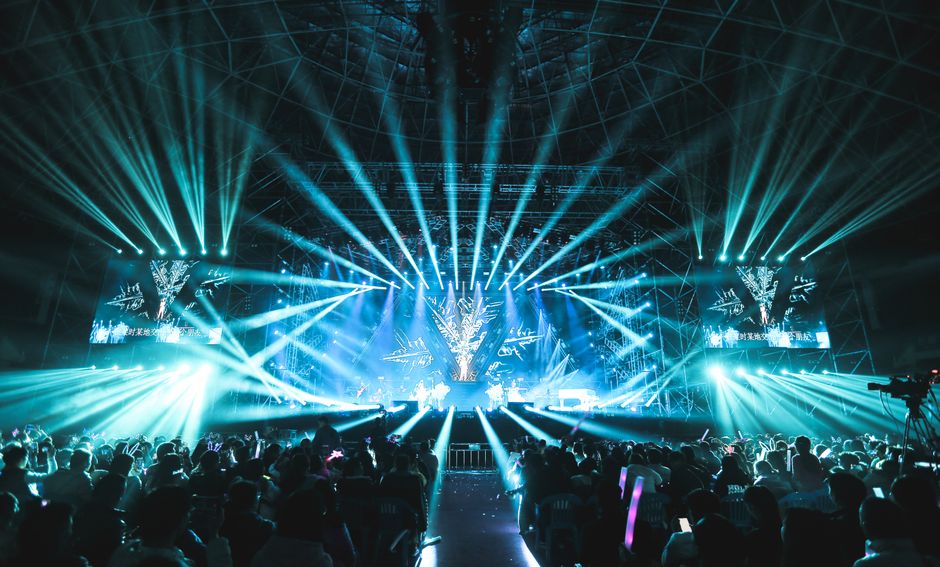
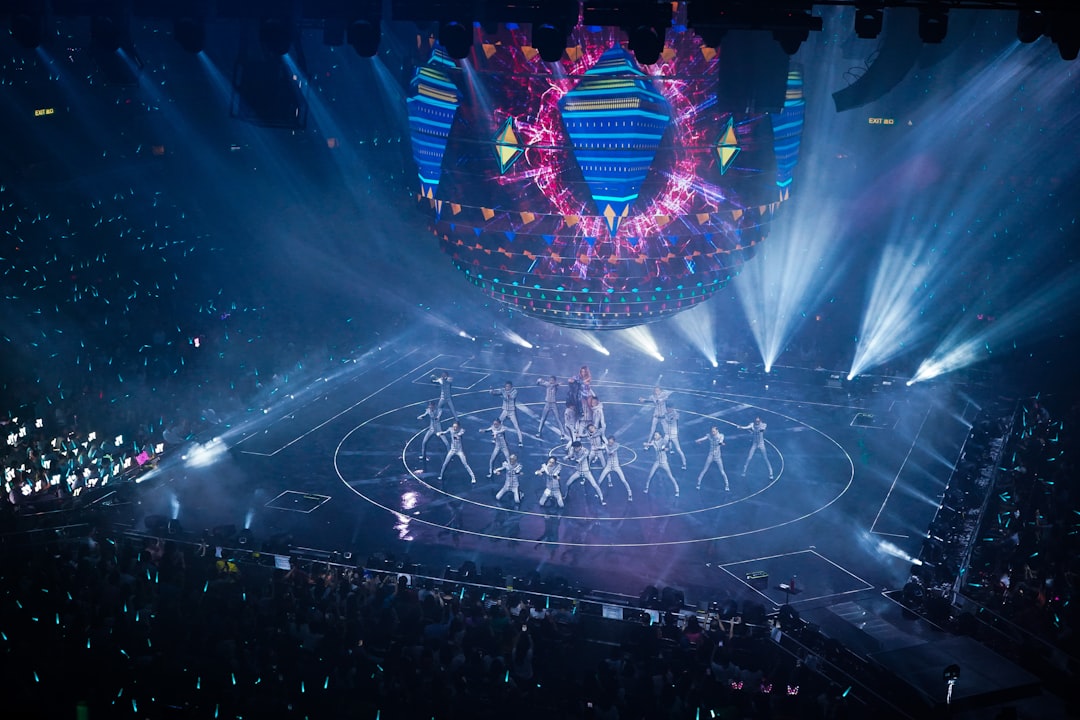
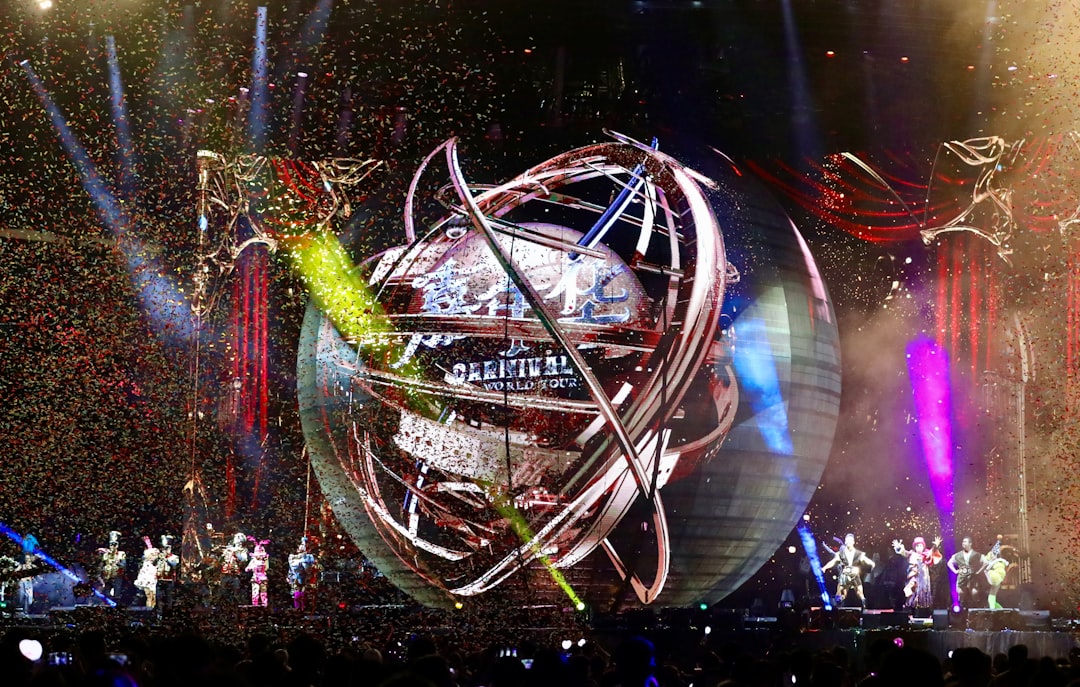
The musical landscape of Eurovision 2026 reflects these underlying tensions, with many entries carrying subtle political messages and cultural statements. Five standout performances have emerged from the preliminary selections, each representing different artistic approaches to navigating the current climate. These entries range from high-energy dance anthems designed to unite audiences through pure entertainment value, to more introspective ballads that address themes of unity, resilience, and hope. The diversity of musical styles promises to deliver memorable performances despite the surrounding controversies.

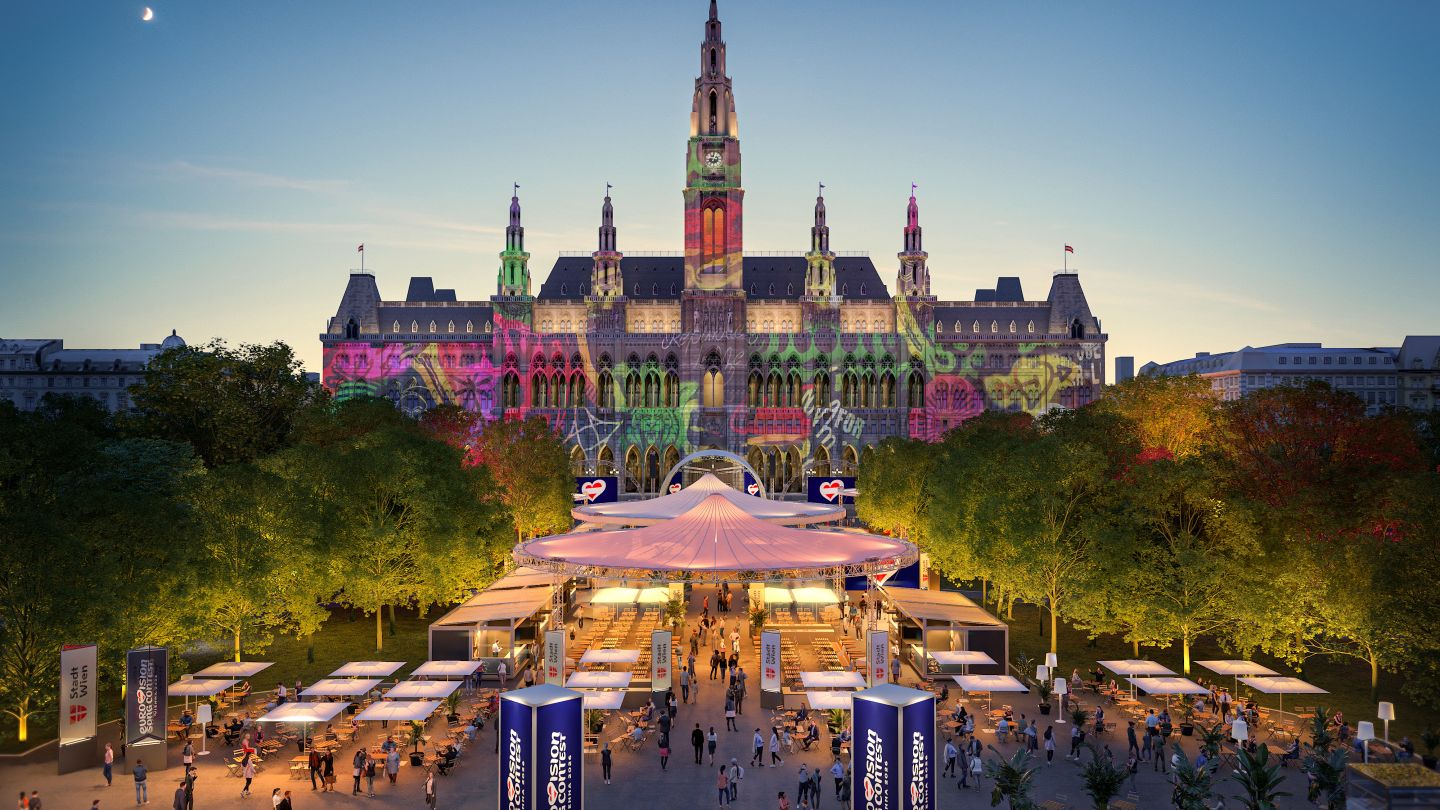
Vienna's Wiener Stadthalle will transform into a glittering arena of sequins, staging innovations, and cutting-edge production values that have become Eurovision's signature. The Austrian capital, known for its imperial grandeur and musical heritage, provides an appropriately dramatic backdrop for what promises to be television's most watched non-sporting event of 2026. Local organizers have invested heavily in security measures and crowd control systems, anticipating both enthusiastic fans and potential protesters. The city's luxury hotels and restaurants are already reporting record bookings from international visitors.
Behind the scenes, the contest continues to evolve as a sophisticated entertainment product, generating substantial economic impact for host cities and participating broadcasters. The competition's influence extends far beyond the annual three-night television event, launching international careers and shaping popular music trends across Europe and beyond. Major record labels now actively scout Eurovision performers, while streaming platforms report significant spikes in plays for contest entries. This commercial success provides crucial financial stability that helps organizers weather political storms and maintain the event's elaborate production standards.


As Eurovision 2026 approaches, the fundamental question remains whether Europe's most beloved music competition can transcend contemporary political divisions to reclaim its role as a celebration of cultural diversity and artistic expression. The Vienna edition will serve as a crucial test of the contest's resilience and adaptability in an increasingly polarized world. While controversies may dominate headlines, the enduring appeal of Eurovision lies in its unique ability to create shared moments of joy, surprise, and musical discovery across national boundaries. The dance floor anthems and heartfelt ballads competing for the crystal microphone trophy represent hope that music can still unite where politics divides.